Introduction
AI adoption brings innovation—but also introduces new risk vectors. From algorithmic bias to security vulnerabilities, these risks can derail enterprise strategies if left unchecked. For CROs and CFOs, proactive risk management is essential to safeguard reputation and ensure compliance.
Identifying Key AI Risks
AI risks fall into three major categories:
- Bias & Fairness: Unchecked algorithms can lead to discriminatory outcomes.
- Security Vulnerabilities: AI systems can be exploited if not properly secured.
- Regulatory Compliance: Non-compliance with data privacy laws can result in hefty fines
Building a Risk Mitigation Framework
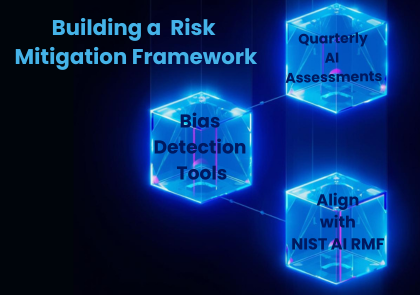
Executives should:
- Conduct Quarterly AI Risk Assessments to identify emerging threats.
- Implement Bias Detection Tools to ensure fairness in AI outputs.
- Align with NIST AI RMF for structured compliance and governance.
Pro Tip: Integrate Microsoft 365 security protocols for identity and access management
Why Risk Management Drives ROI
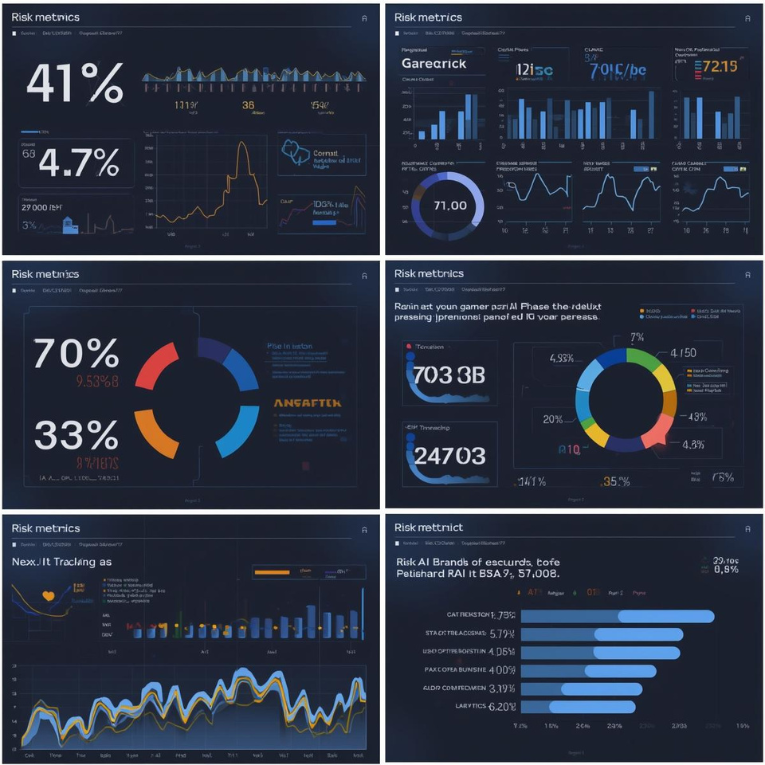
Effective risk management isn’t just defensive—it’s strategic. By reducing vulnerabilities, organizations can accelerate AI adoption and gain competitive advantage without fear of regulatory setbacks
Conclusion
Managing AI risk is no longer a technical afterthought—it’s a core component of enterprise strategy. For today’s CROs and CFOs, the ability to identify, assess, and mitigate AI‑driven threats directly impacts operational resilience, compliance posture, and long‑term ROI. By implementing structured frameworks like the NIST AI RMF, conducting regular assessments, and adopting tools that enhance fairness and security, leaders can confidently scale AI initiatives without exposing the organization to unnecessary vulnerabilities.
Check out our blog on AI Governance to see how today’s leaders are building trust, improving compliance, and creating a competitive advantage through structured AI oversight.
If you need support implementing practical, executive‑ready AI governance, our team can help you build a clear, compliant, and scalable framework aligned with your strategic objectives. Contact us to start your AI Journey.
AI Risk Mitigation Playbook
Start Building Trust Today